
In this article
Give the specific product's requirements priority over general advice.
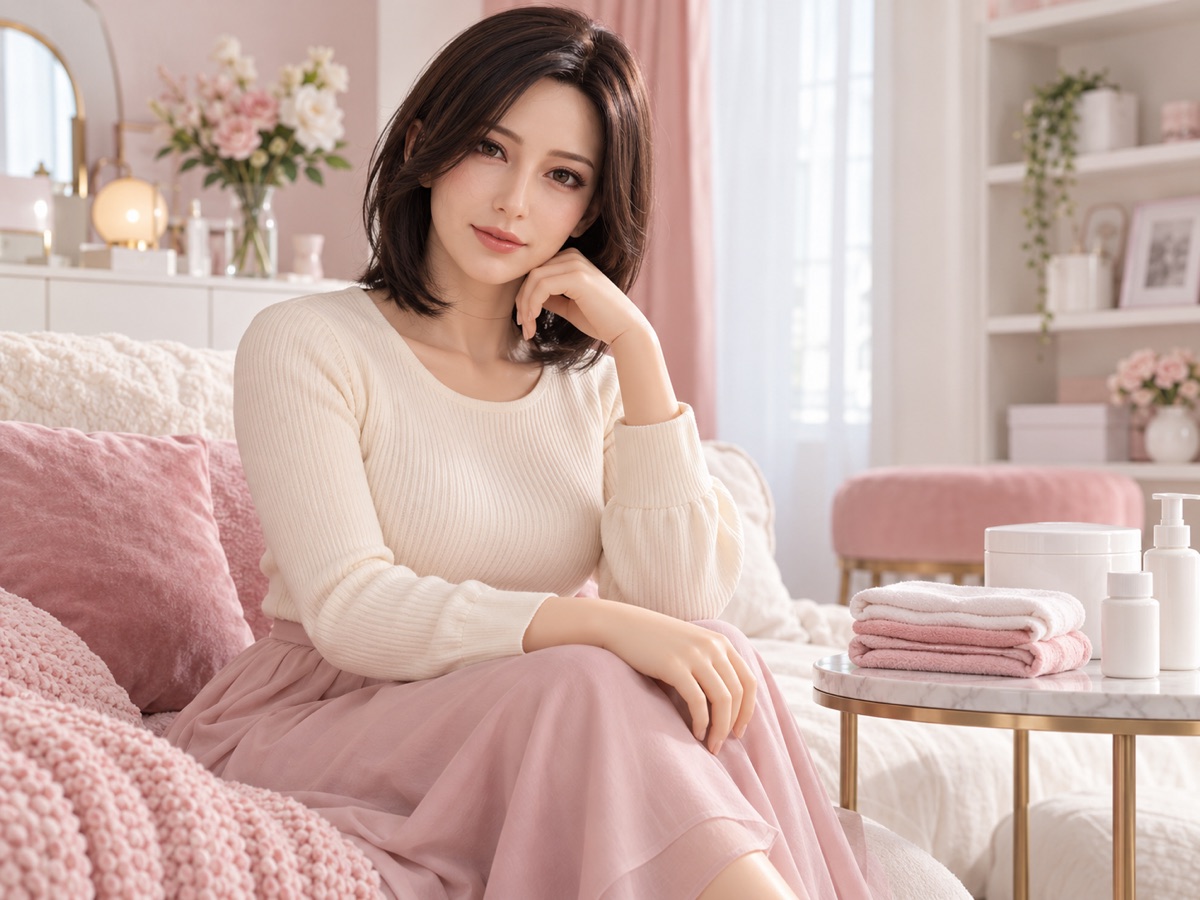
For everyday care, choose products and methods based on the handling requirements for the selected head and body, rather than the material name alone. Surface finishes and internal components change what needs to be checked. Obtain the instructions before buying, and prepare tools and a storage location so you can continue to follow those requirements after arrival.
DOLLKURA
Establish the handling requirements before gathering supplies.
With a silicone head and a TPE (thermoplastic elastomer) body, check separately whether the head and body can be treated in the same way. Even if the whole doll falls within the same material category, makeup, hair, and connecting parts may have separate requirements. Make a list of permitted products and conditions to avoid.
Ask the retailer whether instructions are included and whether guidance is available to read before purchase. Providing the product name, configuration, and selected finish makes it easier to get an answer relevant to your order rather than a general explanation. Keep unclear items as questions to resolve during preparation.
| Part or specification | Details to check separately |
|---|---|
| Head and makeup | Permitted products, instructions for touching or wiping, and treatments to avoid |
| Body and surface finish | Care products, drying and storage, and conditions for contact with clothing |
| Hair options | Care of wigs and other hair options, and methods of replacement or attachment |
| Connections and internal components | Moisture requirements, permitted range of movement, and whether disassembly is allowed |
Scroll horizontally to view the table.
DOLLKURA
Start with the specified items and prepare only what you need.
Before buying, check whether care products are included with the doll. Buying extras without knowing what is supplied can lead to duplicates, while products intended for a different doll may be unsuitable. Do not assume items are interchangeable because their ingredients or purposes look similar; confirm they can be used with the intended configuration.
Keep tools together within easy reach and separate from clothing and photography items to reduce mix-ups. Note each product's name, intended part, and method of use. Before adding chemical products, heat, heavy friction, or other treatments on your own, check the method in the guidance provided.
- Separate the items supplied as standard from those you need to obtain yourself.
- Keep items for the head, body, hair, and other parts distinct to avoid using them on the wrong area.
- Check any item whose name or purpose is unclear before using it.
DOLLKURA
Consider care tasks and condition checks separately.
For routine care, consider both following the established procedure and keeping the doll in a state where changes can be noticed. Decide which areas you can check during the task, such as where clothing or supports touch, the makeup, and around connections, to make ongoing checks easier.
If you notice dirt, discoloration, or another concern, record the condition before repeatedly rubbing the area. Briefly note when it began, which part is affected, and what changed. Also record the products used immediately beforehand, the clothing worn, and the storage conditions to help explain the situation to the retailer.
Check the requirements for the specific product
Check the specified products and steps for the part and finish you will be handling.
Prepare the working area
Keep the necessary tools at hand and plan the process so you do not have to make difficult moves partway through.
Check for changes, then return to storage
Record any areas of concern and return the doll to the specified condition and position. Ask for advice first if the appropriate response is unclear.
DOLLKURA
Consider position and contact surfaces when choosing where to keep it.
For storage, check the recommended position, the suitability of support equipment, and contact requirements for clothing, underlays, and similar items. In addition to whether the doll fits in an available space, ask whether it may be kept with sustained pressure on the same area. Do not assume standing, sitting, or lying down is universally suitable; check the product's requirements.
Also check for conditions the guidance says to avoid, such as direct sunlight or heat sources. Do not decide how to handle the finished product, including makeup and internal components, from the material's general properties alone. If figures such as temperature limits are needed, ask for the specific product's requirements and do not plan on improvised heating or treatment.
| Storage points to review | What to confirm |
|---|---|
| Position and support | Recommended position, support points, and compatibility with the equipment |
| Clothing and contact surfaces | Whether the material may remain in prolonged contact and whether it needs to be removed during storage |
| Surrounding environment | Conditions the product instructions say to avoid, such as sunlight or heat sources |
| Need for movement | Whether cleaning or changing clothes would require difficult moves each time |
Scroll horizontally to view the table.
DOLLKURA
Stop further treatment and organize the details.
If you are unsure whether something is a problem, contact the retailer with overall and close-up photos of the current condition, the product configuration, and the items used. Before attempting your own repairs, disassembly, or intensive treatment, ask what should be checked next.
Keeping routine care from becoming too complicated can also make it easier to maintain. Write a short note of the confirmed method and review the conditions when adding products or clothing. Keeping track of what was used and how the doll was stored, instead of trying a different method each time, makes changes easier to address.
DOLLKURA
Frequently asked questions.
Can products all labeled for TPE (thermoplastic elastomer) be used interchangeably?
Check the requirements for the specific product. Finishes and configurations differ even within the same material category. Do not assume an item can substitute for another from its name alone; ask whether it is suitable for the selected head and body.
How often should routine care be carried out?
Check according to the product's requirements, how it is used, and its storage conditions. Rather than setting a universal frequency, summarize the retailer's guidance on which tasks to perform and when in a short note to make the routine easier to follow.
Can I apply a chemical product as soon as I notice a color change?
First record the current condition and ask for advice. Before further treatment, explain the configuration, products used, and the clothing or contact surfaces involved, then confirm how to proceed.
DOLLKURA